
Shipping medical equipment is an essential part of healthcare logistics, ensuring that vital tools and devices reach hospitals, clinics, and other healthcare providers in a timely and safe manner.
When shipping medical equipment via freight, the process involves meticulous planning and adherence to strict regulations to guarantee that items are not only delivered on time but also handled with the utmost care.
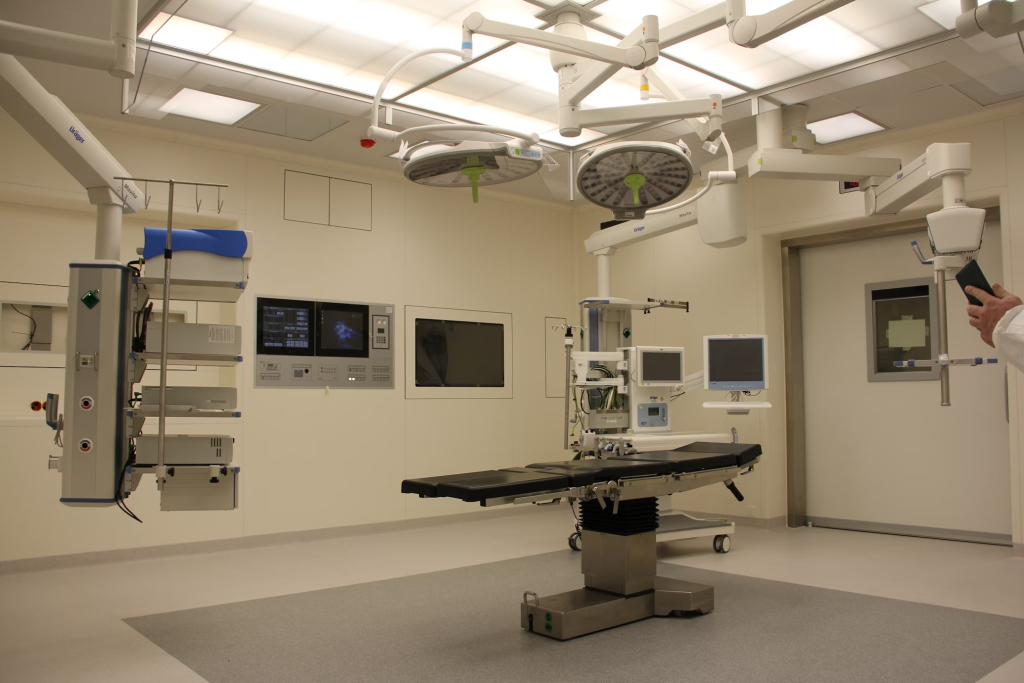
This guide will cover everything you need to know about shipping medical equipment using freight, specifically in the Australian context, highlighting key considerations, packaging, regulations, and best practices.
Click From This Source For More Details
A Comprehensive Guide To Shipping Medical Equipment Via Freight In Australia
Understanding Medical Equipment Shipping
Medical equipment encompasses a wide range of devices, from simple instruments like thermometers and stethoscopes to complex machines like MRI scanners and ventilators. Because of the sensitive nature of medical equipment, shipping these items requires careful consideration of several factors:
- Temperature Sensitivity: Many medical devices are sensitive to temperature fluctuations and require special conditions during transportation.
- Fragility: Medical equipment, especially high-tech instruments, can be fragile and prone to damage if not handled properly.
- Regulatory Compliance: Medical equipment is subject to various regulations, ensuring safety and quality standards. These regulations must be adhered to when shipping internationally or domestically.
- Time Sensitivity: Some medical devices, such as those used in emergency situations or operating rooms, require rapid delivery to ensure they are available when needed.
Choosing The Right Freight Provider
The first step in shipping medical equipment is choosing a reliable freight provider. Not all logistics companies are equipped to handle the specific needs of medical shipments, so it is important to partner with a provider that understands the intricacies of transporting medical devices.
When selecting a freight company, consider the following factors:
- Experience with Medical Shipments: Look for a provider that has experience handling medical shipments, particularly those that involve delicate, expensive, or time-sensitive equipment.
- Regulatory Knowledge: Ensure the freight company is familiar with Australian regulations regarding medical equipment shipping, as well as international rules if shipping abroad.
- Tracking and Visibility: Choose a freight provider that offers robust tracking systems so you can monitor the status of your shipment in real-time.
- Temperature Control Capabilities: For medical devices requiring temperature-sensitive transport, select a provider with experience in cold chain logistics or temperature-controlled shipping.
Understanding Shipping Regulations For Medical Equipment In Australia
Australia has stringent regulations when it comes to shipping medical equipment, primarily to ensure that devices are safe and meet the required standards for health and safety. Some key regulations include:
- Therapeutic Goods Administration (TGA): In Australia, the TGA is responsible for regulating medical devices and ensuring they meet safety and quality standards. The TGA’s regulations govern how medical devices should be transported, stored, and used.
- Australian Dangerous Goods Code: If the medical equipment being shipped contains hazardous materials, such as batteries or chemicals, it may fall under the Dangerous Goods regulations. Freight providers must be trained to handle such materials.
- Customs and Import Regulations: For international shipments, medical equipment must comply with customs regulations. This includes providing proper documentation such as invoices, certificates of origin, and import permits.
Packaging Medical Equipment For Freight
Packaging is crucial when shipping medical equipment. The goal is to protect the equipment from damage during transit while ensuring compliance with relevant regulations. When packaging medical devices, consider the following tips:
- Custom Packaging: Use custom packaging that is designed to fit the specific dimensions and fragility of the equipment. Avoid using generic or ill-fitting boxes that could lead to damage.
- Shock Absorption: For delicate medical equipment, use materials like bubble wrap, foam, or air cushions to provide shock absorption and prevent movement during transport.
- Temperature Control: If the equipment is temperature-sensitive, consider using insulated packaging or temperature-controlled containers to maintain the required environment.
- Labelling: Clearly label all packages with appropriate handling instructions. This includes labels for fragile items, temperature-sensitive items, and hazardous materials, if applicable.
- Seals and Security: For high-value medical devices, use tamper-evident seals to ensure the equipment remains secure throughout transit.
Types Of Freight For Medical Equipment
There are various freight options available for shipping medical equipment. The choice of shipping method depends on the size, weight, and urgency of the delivery. Common freight methods include:
- Air Freight: This is the fastest option and is ideal for urgent or time-sensitive medical equipment. Air freight is particularly useful for international shipping and for equipment that needs to be delivered quickly to remote locations.
- Sea Freight: Sea freight is a more economical choice for larger shipments, but it takes longer than air freight. It is best suited for non-urgent deliveries, particularly for bulk shipments of medical equipment that do not require a fast turnaround.
- Road Freight: For domestic shipments within Australia, road freight is often the most practical and cost-effective option. Trucks can carry large quantities of medical equipment and offer flexibility in delivery times.
- Rail Freight: In some parts of Australia, rail freight may be a viable option, especially for large or heavy shipments. It is generally slower than air freight but can be more affordable for bulk shipping.
Cold Chain Logistics For Temperature-Sensitive Medical Equipment
Certain medical equipment, such as vaccines, biological samples, and pharmaceutical products, require cold chain logistics to maintain their efficacy during transit. Cold chain logistics ensures that the equipment is kept at a specific temperature range throughout the entire shipping process.
Some best practices for cold chain shipping include:
- Refrigerated Containers: Use refrigerated shipping containers (also known as reefer containers) to keep the equipment at the required temperature.
- Temperature Monitoring Devices: Attach temperature monitoring devices to the shipment to track the temperature throughout transit. These devices can help ensure that the shipment has remained within the correct temperature range.
- Pre-conditioning: Before packing the equipment, ensure that the shipping container is pre-conditioned to the desired temperature, reducing the risk of temperature fluctuations during transit.
- Insulation: Use insulated packaging materials, such as gel packs, dry ice, or thermal blankets, to help maintain the temperature inside the container.
Documentation For Shipping Medical Equipment
Proper documentation is critical when shipping medical equipment, both for regulatory compliance and to ensure the safe and timely delivery of the goods. Some key documents you may need include:
- Commercial Invoice: This document provides details about the shipment, including the value, description, and quantity of the equipment.
- Packing List: This lists the contents of the shipment, including dimensions, weight, and packaging materials used.
- Certificate of Origin: For international shipments, a certificate of origin is required to confirm the country where the goods were manufactured.
- Regulatory Compliance Certificates: If the equipment is subject to regulatory requirements (such as TGA certification), include relevant compliance certificates.
- Bill of Lading: This document serves as a receipt for the shipment and outlines the terms of the contract between the shipper and the freight provider.
Risk Management And Insurance
Shipping medical equipment, especially expensive or critical devices, carries a certain level of risk. To mitigate this risk, it is important to consider the following:
- Insurance: Ensure that the shipment is adequately insured. This may include coverage for loss, theft, or damage during transit. Freight providers often offer insurance, but it is worth checking the details to make sure your shipment is fully protected.
- Track Record of the Freight Provider: Choose a provider with a proven track record for handling medical equipment safely and reliably. Check for customer reviews, testimonials, and certifications to ensure they meet industry standards.
- Contingency Plans: Have contingency plans in place in case of delays, damage, or other unexpected issues. This includes having backup suppliers or alternative methods of shipping in case the freight provider encounters problems.
Conclusion
Shipping medical equipment is a complex process that involves careful planning, adherence to regulations, and attention to detail. Whether you are shipping domestically within Australia or internationally, it is important to choose a reliable freight provider, ensure the correct packaging and documentation, and consider the specific requirements of temperature-sensitive or fragile equipment.
By following the guidelines outlined in this article, you can ensure that your medical equipment is shipped safely, efficiently, and in compliance with Australian regulations, providing healthcare providers with the tools they need to care for patients.
Shipping medical equipment successfully requires not only logistical expertise but also a commitment to safeguarding the equipment’s integrity. Whether you are sending a life-saving device across the country or internationally, ensuring a secure and efficient process should always be your top priority.
Frequently Ask Question
What Are The Risks Of Shipping Medical Equipment By Freight?
Risks associated with shipping medical equipment by freight include potential damage due to improper packaging, delays caused by customs, or temperature fluctuations for temperature-sensitive items.
There may also be regulatory or compliance issues that need to be carefully managed. It’s important to choose an experienced freight service, prepare the equipment with suitable packaging, and provide clear documentation to mitigate these risks.
Do I Need Insurance When Shipping Medical Equipment By Freight?
It is highly recommended to obtain insurance when shipping medical equipment by freight, especially if the equipment is expensive or sensitive. Insurance can protect against potential loss, damage, or theft during transit. Speak with your freight provider about the best insurance options available for your shipment, ensuring it covers the full value of the equipment in case of any unforeseen issues.
What Is The Estimated Delivery Time For Shipping Medical Equipment By Freight?
Delivery time for medical equipment depends on several factors, including the shipping method, the distance, and any customs processing time. For domestic shipments within Australia, it could take anywhere from 1 to 7 days, depending on the service level chosen.
International shipments may take longer due to customs clearance and international transport. For urgent shipments, consider air freight services, which can expedite the process.