
The bass guitar is an integral part of modern music, forming the backbone of nearly every genre. It serves as both a rhythm instrument and a melody creator, making it a unique and essential element in any band or ensemble. If you’re considering taking bass guitar lessons or are already playing and looking to improve, you may be wondering how these lessons can help you master rhythm and melody.
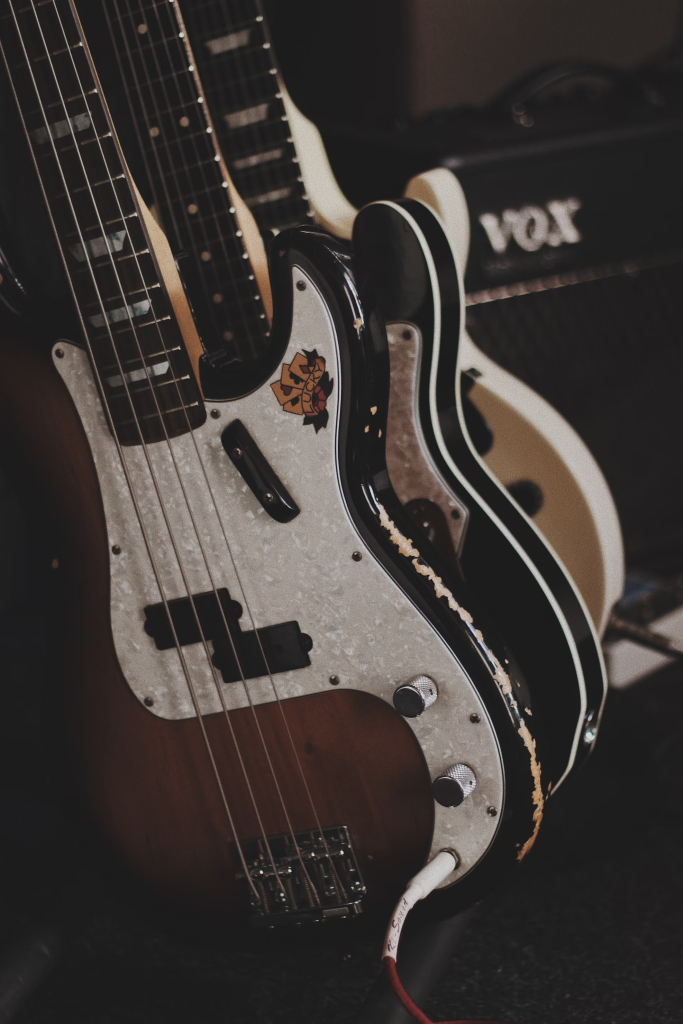
Bass guitar lessons can unlock your potential, helping you master these two critical elements of music. We will break down the importance of rhythm and melody in bass guitar playing, how lessons contribute to your development, and how to get the most out of your learning.
Visit our website for expert guidance and support as you take the next step in your bass guitar journey.
The Importance Of Rhythm In Bass Guitar Playing
Rhythm is the foundation of all music. Without rhythm, music loses its structure and feel. As a bass player, you are responsible for locking in the groove with the drummer and providing a steady, rhythmic foundation for the rest of the band.
Bass guitar lessons can help you develop your sense of timing, enabling you to play in sync with other musicians.
Developing A Strong Sense Of Timing
One of the first things you will learn in bass guitar lessons is timing. Proper timing is critical to playing rhythmically. A skilled bass player knows how to maintain a consistent tempo while adding variation in their playing to keep the music interesting.
- Metronome practice: Bass guitar lessons will often involve exercises with a metronome. This helps you get used to playing in time, whether at slow tempos or faster ones.
- Counting rhythms: Understanding different time signatures, such as 4/4, 3/4, and 6/8, is essential for any rhythm section player. Bass guitar lessons will teach you to count and play rhythms accurately.
- Syncopation exercises: In many styles of music, especially funk and jazz, bass players use syncopation to create a sense of movement and groove. Lessons will introduce you to syncopated rhythms, helping you make your playing more expressive and engaging.
Locking In With Drums
The bass and drums are the rhythm section of any band, and they must lock in together. Bass guitar lessons will teach you how to listen for the drummer’s beat and complement it with your playing. This might involve matching the drummer’s kick drum patterns or creating basslines that support the snare hits.
- Groove-building exercises: Bass lessons provide exercises specifically designed to help you develop a deep understanding of groove. These exercises focus on playing basslines that are in sync with the drums, solidifying the rhythm section’s power.
- Playing in different styles: Whether you are learning rock, jazz, funk, or pop, each style has its own rhythm structures. Bass guitar lessons will teach you how to play rhythms specific to these styles and how to adapt to different drummers’ feels.
Melody In Bass Guitar: Not Just For Soloists
While the bass guitar is typically associated with rhythm, it also plays an essential role in melody. The bass often provides melodic content that complements the vocal or lead instruments, enriching the overall sound of the song. Bass guitar lessons can help you develop your melodic skills, allowing you to create basslines that add depth and interest to the music.
Playing Melodic Basslines
Basslines don’t always have to be simple, repetitive patterns. The bass guitar can play beautiful, complex melodies that stand out on their own. Many iconic bass players have used the bass as a lead instrument in their songs.
- Chord tones and arpeggios: Bass guitar lessons will teach you how to play the notes that make up chords (chord tones) and how to create arpeggios. This technique helps create melodic basslines that support the music’s harmony.
- Scale and mode usage: Learning scales and modes on the bass is essential for developing melodic lines. Bass lessons will introduce you to different scales such as major, minor, pentatonic, and blues, all of which can be used to create more interesting melodies.
- Melodic phrasing: Lessons will also focus on the art of melodic phrasing. This involves learning how to create basslines that flow naturally and complement the song’s structure.
Bass Solos: More Than Just Rhythm
While not as common as guitar solos, bass solos can be incredibly powerful in the right context. Some bass players are renowned for their virtuosic solos, which showcase the instrument’s melodic capabilities.
- Learning bass solo techniques: Bass guitar lessons will introduce you to techniques for creating bass solos, such as using slides, bends, and vibrato to make your solos more expressive.
- Improvisation: In addition to learning pre-composed solos, bass lessons often focus on improvisation. Improvising basslines allows you to create melodies on the spot, enhancing your ability to express yourself musically.
How Bass Guitar Lessons Help You Master Both Rhythm And Melody
Bass guitar lessons help you develop the skills needed to master both rhythm and melody. These lessons provide a structured approach to learning the instrument, with a focus on technique, theory, and ear training.
By taking lessons, you will become a more well-rounded bass player, capable of supporting the rhythm section and creating melodic basslines.
Learning Music Theory
A fundamental part of bass guitar lessons is learning music theory. Music theory helps you understand how rhythms and melodies fit together and how to use this knowledge to create more interesting and varied basslines.
- Understanding intervals: Intervals are the distances between notes, and learning them helps you navigate the fretboard and create both rhythmic and melodic patterns.
- Chord construction: Knowing how chords are built will help you understand the harmonic context of the music you’re playing. This knowledge will enable you to craft basslines that harmonically complement the song.
Ear Training For Better Rhythm And Melody
One of the most important aspects of bass guitar lessons is ear training. This helps you develop the ability to listen and react to the music around you, improving both your timing and your melodic sense.
- Interval recognition: Ear training exercises will teach you to recognise different intervals, which is essential for playing in tune and creating melody-based basslines.
- Rhythm recognition: You will also learn how to recognise rhythms by ear, enabling you to stay in time with other musicians and play more complex patterns.
Conclusion
Bass guitar lessons can be incredibly beneficial for mastering both rhythm and melody. Through a structured approach that includes ear training, music theory, and practical exercises, lessons provide the foundation necessary to become a skilled bassist.
By focusing on timing, rhythm, and melodic phrasing, you will improve your ability to lock in with the drummer, create memorable basslines, and contribute to the overall musical landscape. Consistent practice and taking full advantage of the resources available will help you unlock your potential as a bassist, making rhythm and melody second nature in your playing.
Frequently Asked Questions
What Is The Best Way To Improve Rhythm On The Bass Guitar?
The best way to improve rhythm on the bass guitar is through consistent practice with a metronome and playing along with various genres of music. Focus on mastering basic rhythms and gradually challenge yourself with more complex patterns. It’s also essential to practice with a drummer or backing tracks to lock in with the rhythm section and ensure tight, in-sync playing.
Can I Play Melodies On The Bass Guitar?
Absolutely! The bass guitar is not just for rhythm – it can play melodies as well. By learning scales, chord tones, and arpeggios, you can create melodic basslines that complement the harmony of a song. With practice, you can also develop improvisation skills to add your personal touch to melodies.
How Long Does It Take To Master Rhythm And Melody On The Bass Guitar?
The time it takes to master rhythm and melody on the bass guitar varies for each person, depending on their practice routine and experience level. With regular lessons and consistent practice, you can expect noticeable improvement in a few months. However, mastering both rhythm and melody is an ongoing process that requires dedication and perseverance over time.