
The price of double glazing for your home can fluctuate based on several factors.
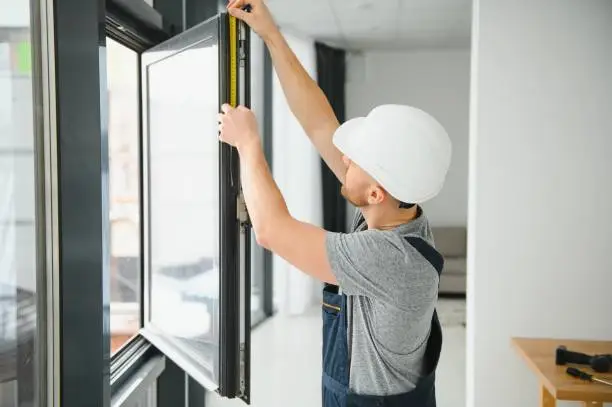
Understanding what influences the cost can help you make an informed decision and ensure you get value for your investment. Below are the key factors that determine the price of double-glazing windows.
1. Type Of Glass
Glass Options
The type of glass you choose plays a major role in determining the overall price of double glazing. There are various types of glass used in double glazing, each offering different benefits and varying costs.
1. Standard Glass
The most common and basic type is typically used in residential settings. It is the least expensive.
2. Low-E Glass (Low Emissivity Glass)
Low-E glass is coated with a microscopically thin layer of metal oxide, which improves energy efficiency by reflecting heat into the room. This is a more expensive option but offers better insulation and reduces the need for heating and cooling.
3. Gas-Filled Glass
Double-glazed windows can be filled with an inert gas such as argon or krypton between the two panes. Gas-filled windows are more energy-efficient, reducing heat transfer between inside and outside. They come at a premium cost.
4. Laminated Glass
Laminated glass is made by bonding two or more layers of glass together, offering enhanced security and soundproofing. This type of glass increases the price of double glazing but is worth the investment if you are looking for added protection.
5. Tempered Glass
This glass is heat-treated to make it stronger and safer. It is often used in places where extra strength is needed, such as in homes with children. Tempered glass adds to the cost of double glazing due to its durability.
Glass Thickness
The thickness of the glass also affects the price. Thicker glass provides better soundproofing and insulation but also raises the cost of production and installation.
2. Frame Material
uPVC (Unplasticised Polyvinyl Chloride)
This is one of the most affordable frame materials, offering good insulation and low maintenance. It is the most commonly used material for double glazing due to its cost-effectiveness and long-term benefits.
Aluminium
Aluminium frames are stronger and more durable than uPVC but tend to be more expensive. They are a popular choice for larger windows or for those who want a more modern aesthetic. However, they may not offer as much insulation as uPVC unless thermally broken.
Timber
Wooden frames provide an elegant look and superior insulation properties. However, they are the most expensive option due to the cost of materials and the fact that timber windows require regular maintenance to prevent weather damage and rotting.
Composite Frames
These frames combine the benefits of different materials, such as timber and uPVC or aluminium. They offer superior performance and aesthetics but come at a higher cost.
3. Size And Shape Of The Window
Window Size
The size of your windows significantly impacts the cost of double-glazing. Larger windows require more glass and frame material, which naturally increases the price. Some other aspects related to size include:
- Standard vs. Custom Sizes: Standard-sized windows are cheaper because they are mass-produced. However, if you require custom-sized or oversized windows, you will pay more because of the custom manufacturing process.
- Window Height and Width: Larger windows, especially those intended for more prominent rooms or glass walls, will have higher costs compared to small windows typically found in bathrooms or smaller rooms.
Window Shape
- Standard Shapes: Rectangular or square windows are the least expensive. These are easy to manufacture and install.
- Custom Shapes: Windows that are arched, circular, or irregular in shape will cost more due to the complexities involved in their production and installation.
4. Design And Functionality
Fixed Windows
These windows do not open and are generally cheaper. They provide an excellent seal, making them highly energy-efficient but are less flexible in terms of functionality.
Opening Windows
Windows that can open, such as casement, tilt-and-turn, or sliding windows, are more expensive than fixed ones due to the added hardware and mechanisms needed to make them operable.
Tilt-And-Turn Windows
These versatile windows can be tilted for ventilation or turned fully to open wide. While they offer more flexibility, they are pricier due to the more complex design and hardware.
Sliding Windows
These windows operate on a track and are easy to open, making them ideal for spaces where space is a concern. They are generally more expensive than fixed windows because of the added parts.
Bi-Folding Or French Windows
These options are more sophisticated and visually appealing, but they come with a higher price tag due to their intricate design and construction.
5. Energy Efficiency
How Energy-Efficient Features Influence Price
Energy efficiency is one of the biggest selling points for double glazing. While windows with high energy efficiency may cost more initially, they save you money over time by reducing energy consumption. Factors that impact the price in terms of energy efficiency include:
- Low-E Coatings: Low-emissivity (Low-E) coatings on the glass reflect heat while allowing light to pass through. This improves insulation, reducing heating and cooling costs. The installation of Low-E glass increases the overall price but provides long-term savings.
- Gas-Filled Windows: As mentioned earlier, filling the gap between the panes with gas such as argon improves insulation. These windows may cost more, but they are more effective at maintaining a comfortable indoor temperature.
- Thermal Break Frames: Frames that feature a thermal break (an insulating barrier between the inside and outside of the frame) improve energy efficiency and reduce the risk of condensation. These frames are typically more expensive but result in better insulation and lower energy bills.
6. Installation Complexity And Location
Labour Costs
The cost of installation can vary significantly depending on the complexity of the job. Factors that contribute to higher installation costs include:
- Window Accessibility: Windows that are difficult to access (such as those on higher floors or in hard-to-reach areas) will increase the cost. Scaffolding or ladders may be required, adding to the cost of labour.
- Size and Type of Installation: Large or custom-designed windows will take more time and skill to install, which can raise the labour costs. Conversely, smaller, more straightforward windows will have lower installation fees.
- Structural Modifications: If your current window frame needs resizing or additional work is required to fit the new window, this will increase the overall installation cost.
Location Of Your Property
- Urban vs Rural Areas: If you live in a rural area, the cost of double glazing may increase due to transportation costs and limited access to qualified installers. Urban areas often offer more competitive prices due to the availability of suppliers and installers.
- Local Regulations: Some regions may have specific regulations about window installations, especially in heritage or high-risk areas, which could add costs related to compliance.
7. Additional Customisation And Features
Optional Add-Ons
- Tinted Glass: Tinted windows provide privacy, reduce glare, and block harmful UV rays. These features can increase the price of double glazing.
- Decorative Features: If you choose decorative window frames, grids, or obscure glass, these can raise the cost due to the added aesthetic value and manufacturing processes.
- Security Features: Some double-glazed windows come with enhanced security features, such as reinforced glass, multi-lock systems, or laminated glass, all of which can increase the price.
- Soundproofing: If you live in a noisy area and require soundproofing, you may need windows with thicker glass or additional insulating layers, which will raise the cost.
8. Quality Of Materials
Higher Quality For Longevity
The quality of materials used in the construction of your windows will greatly affect the price. Premium materials offer superior durability, energy efficiency, and aesthetic appeal, but come at a higher price. Examples include:
- High-Quality Frames: Premium timber frames or high-grade uPVC offer better insulation, but they are more expensive.
- High-End Glass Options: Triple glazing or specialty glass, such as toughened or self-cleaning glass, can increase the price, but they offer superior performance and long-term durability.
Conclusion
The price of double glazing depends on a variety of factors, from the type of glass and frame materials to the size, design, and energy efficiency of the windows. While it’s tempting to opt for cheaper options, investing in high-quality materials and energy-efficient features can offer long-term benefits, such as improved insulation, lower energy bills, and enhanced security.
Understanding these factors and how they affect the overall cost can help you make an informed choice that fits your budget and needs, ensuring you get the best value for your home.
Frequently Asked Questions
How Does Window Size Impact Double Glazing Prices?
Larger windows require more materials and labour, which increases the overall cost of installation. The bigger the window, the more expensive it will be to fit double glazing due to the extra work and resources needed.
Are Installation Costs Included In The Price Of Double Glazing?
Installation costs are often separate from the quoted price of the double glazing materials. However, some companies may offer a complete package that includes both the windows and installation fees, so it’s important to clarify this beforehand.
Do Energy-Efficient Features Increase The Price Of Double Glazing?
Yes, energy-efficient features like gas-filled panes or low-emissivity coatings can raise the cost. However, these features can lead to long-term savings on heating and cooling bills, making them a worthwhile investment.
For more information, navigate to this website.