
Tree lopping, or the process of trimming or removing branches from trees, can be beneficial for maintaining a tree’s health, aesthetics, or safety. However, improper techniques can cause long-term damage to the tree, your property, or even personal injury.
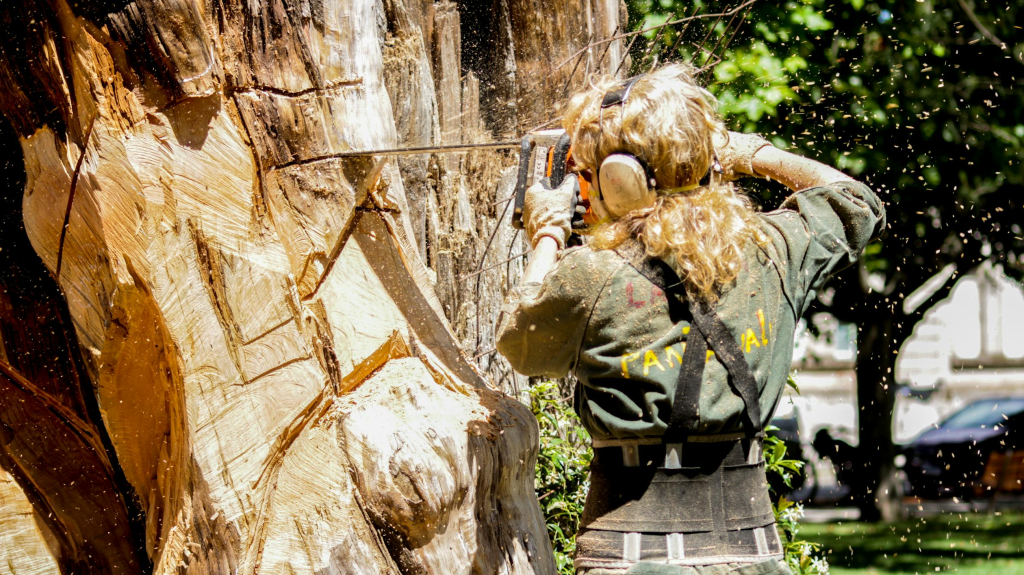
In this article, we’ll talk about the common mistakes people make when lopping trees and offer valuable tips on how to avoid them.
1. Not Understanding The Tree’s Health
The Importance Of Tree Health
When undertaking tree lopping, one of the most critical factors to consider is the overall health of the tree. Cutting without proper knowledge of the tree’s condition can cause irreversible damage.
Mistakes To Avoid
- Ignoring Tree Health Assessment: Failing to inspect the tree for signs of disease, infestation, or structural issues before lopping is a major mistake.
- Lopping a Sick Tree: Trimming a tree that is already stressed or diseased can worsen its condition, potentially leading to its death.
How To Avoid
- Perform Regular Inspections: Before you begin lopping, examine the tree for any signs of rot, fungus, or weak branches.
- Consult an Arborist: If you’re unsure of the tree’s condition, it’s advisable to consult a professional arborist before making any cuts.
2. Incorrect Cutting Technique
Using The Right Technique
The cutting technique plays a huge role in how well the tree will recover after lopping. Incorrect techniques can cause damage to the tree’s vascular system and stunt its growth.
Mistakes To Avoid
- Topping Trees: Cutting the top of the tree excessively, also known as “topping,” can ruin the tree’s shape, weaken its structure, and make it prone to disease.
- Incorrect Pruning Cuts: Improper cuts can result in ragged wounds that may lead to infection or decay.
How To Avoid
- Use the Correct Pruning Technique: Always make cuts just above the branch collar, which is the swollen area where the branch meets the trunk. This allows the tree to heal properly.
- Avoid Topping: Only trim the canopy to maintain shape and remove dead or diseased branches. Do not cut the top excessively.
3. Over-Pruning The Tree
Balancing Pruning
Pruning too much can have detrimental effects on the tree, leaving it vulnerable to diseases, pests, and poor growth.
Mistakes To Avoid
- Removing Too Much Foliage: Pruning excessively can reduce the tree’s ability to photosynthesise, weakening the tree.
- Cutting at the Wrong Time: Pruning during the wrong season can expose the tree to stress or damage.
How To Avoid
- Prune Gradually: Avoid removing more than 25% of the tree’s canopy at a time.
- Prune During the Right Season: Prune trees during their dormant season, typically in late winter or early spring, when they’re not actively growing.
4. Using Poor Equipment
Importance Of Proper Tools
Using the wrong tools or poorly maintained equipment can result in uneven cuts, stress on the tree, and even injury.
Mistakes To Avoid
- Using Dull or Rusty Tools: Tools that are not sharp can cause jagged cuts, which increase the risk of infection.
- Using Incorrect Equipment for the Job: For large branches, using hand pruners instead of a chainsaw or saw can be inefficient and potentially damaging.
How To Avoid
- Maintain Equipment: Regularly sharpen pruning tools and keep them free from rust.
- Use the Right Tools: Choose tools that are appropriate for the size of the branches you are cutting, such as a chainsaw for larger branches and pruners for smaller ones.
5. Lopping Without Safety Precautions
Importance Of Safety Measures
Tree lopping can be a dangerous task, especially when working with tall trees or heavy branches. Failing to take safety precautions can lead to serious accidents.
Mistakes To Avoid
- No Safety Gear: Not wearing proper safety equipment such as gloves, helmets, and eye protection.
- Improper Ladder Use: Using a ladder that’s unstable or not the right height can lead to falls.
How To Avoid
- Wear Proper Safety Gear: Always wear gloves, goggles, a helmet, and a harness when working with large or high trees.
- Use Proper Ladder Techniques: Ensure the ladder is stable and always maintain three points of contact when climbing.
6. Lopping Trees During The Wrong Season
Seasonal Impact On Trees
The timing of tree lopping is essential to ensure that the tree heals properly and doesn’t suffer undue stress. Lopping during the wrong season can cause the tree to struggle with recovery.
Mistakes To Avoid
- Lopping in Spring or Summer: Pruning during active growth periods can lead to excessive sap loss and vulnerability to pests and diseases.
- Pruning in Freezing Conditions: In colder climates, pruning during winter can cause frost damage to the exposed branches.
How To Avoid
- Lop In Dormancy: The best time to lop trees is during the dormant season, generally in late autumn or early winter when trees are not actively growing.
- Avoid Wet Conditions: Never prune during rainy or wet conditions, as it can lead to fungus growth.
7. Not Removing The Right Branches
Choosing Which Branches To Remove
Choosing which branches to remove is a vital part of tree lopping. If the wrong branches are cut, it can lead to an imbalanced or unhealthy tree structure.
Mistakes To Avoid
- Removing Branches That Are Too Large: Cutting large branches can result in large wounds that are difficult for the tree to heal.
- Cutting Branches That Are Essential for the Tree’s Stability: Removing stabilising branches or vital growth points can leave the tree unbalanced.
How To Avoid
- Remove Dead, Diseased, or Damaged Branches. First: Focus on removing unhealthy or dead wood to help the tree’s overall health.
- Consult an Expert: If unsure which branches to remove, seek professional advice to avoid damaging the tree’s stability.
8. Failing To Dispose Of Debris Properly
Managing Tree Lopping Waste
Tree lopping generates a lot of debris, and how you handle this waste can affect both your property and the environment.
Mistakes To Avoid
- Leaving Debris in the Yard: Failing to clean up debris can create tripping hazards, and leftover branches can attract pests or diseases.
- Improper Disposal: Burning branches without the proper permits or leaving them in the environment can be harmful.
How To Avoid
- Clean Up Thoroughly: After lopping, clean up all branches, leaves, and twigs to keep your property safe and clean.
- Dispose Responsibly: Consider composting, recycling, or taking the branches to a local green waste facility.
9. Not Considering The Tree’s Growth Potential
Long-Term Growth Considerations
While tree lopping may seem like a short-term solution, it’s crucial to think about the tree’s future growth and how the lopping will affect it long-term.
Mistakes To Avoid
- Ignoring Future Growth: Lopping without considering how the tree will grow in the future can result in uneven, unhealthy growth patterns.
- Failure to Maintain the Tree After Lopping: Once lopping is done, the tree needs proper care to recover and grow optimally.
How To Avoid
- Plan for Future Growth: Always keep the tree’s long-term growth in mind, and avoid cutting in a way that will stunt future development.
- Provide Post-Lopping Care: Water the tree and apply fertilisers if necessary to ensure healthy regrowth.
Conclusion
Tree lopping, while beneficial for maintaining tree health and aesthetics, can be a delicate and intricate process. By avoiding common mistakes such as incorrect cutting techniques, over-pruning, and improper equipment use, you can help ensure the health and longevity of your trees.
Always remember to assess the tree’s condition, prune at the right time, use the proper tools, and prioritise safety to achieve the best results.
Frequently Asked Questions
Can I Lop My Own Trees, Or Should I Hire A Professional?
While homeowners can do minor pruning, tree lopping should typically be left to professionals with the right tools and experience. A professional will ensure the tree is properly managed, reducing the risk of damage to the tree or your property.
How Do I Choose A Qualified Tree Lopper?
Look for a qualified arborist with certification, good reviews, and a solid safety record. It’s important to choose someone who follows proper tree care practices and is insured to cover any potential accidents.
What Are The Risks Of Poor Tree Lopping?
Poor lopping can lead to irreversible damage, such as weak growth, exposed wounds, or even tree death. In severe cases, improperly cut trees may become a safety hazard, posing a risk to nearby structures or people.
For more details, see here.