
Air conditioning is an essential feature in many Australian homes, especially during the scorching summer months. With temperatures soaring in several regions, air conditioning provides comfort and relief from the heat. However, when it comes to installing a new air conditioning unit, many homeowners find themselves wondering about the costs involved.
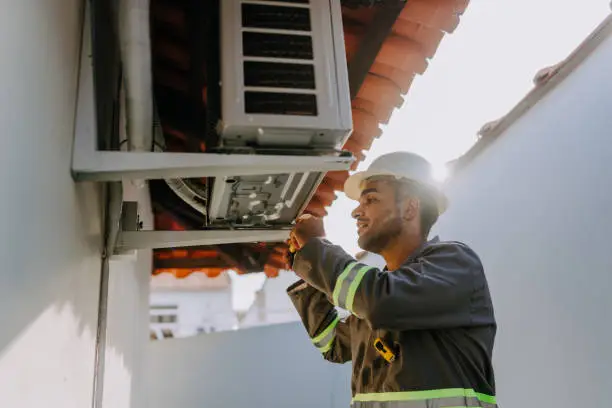
The price of installing an air conditioner can vary depending on several factors, such as the type of system, the size of the space, and the location of installation. In this article, we will explore the various costs associated with air conditioning installation in Australia, along with key considerations that can impact the final price.
Types Of Air Conditioners And Their Costs
The first step in determining the cost of installation is understanding the different types of air conditioning systems available in the market. Each system has its unique features and installation requirements, which can significantly impact the overall cost.
Split System Air Conditioners
Overview: Split system air conditioners are one of the most popular and widely used options for homes and small offices in Australia. They consist of two units: an indoor unit (evaporator) and an outdoor unit (compressor). Split systems are suitable for single rooms or smaller open-plan areas.
Cost of Installation: The cost of installing a split system air conditioner can vary, but on average, the total price for installation and purchase is around $1,500 to $3,500. This depends on the brand, model, and the size of the room. For higher-end systems or units with advanced features (e.g., inverter technology), costs can reach closer to the upper end of the spectrum.
Ducted Air Conditioning Systems
Overview: Ducted air conditioning systems are designed to cool or heat larger homes or multiple rooms. These systems have a central unit that distributes air through a network of ducts, and they are typically installed in the ceiling or under the floor. Ducted systems are often preferred for homes with several rooms or when a more seamless and discreet solution is required.
Cost of Installation: Ducted air conditioners tend to be more expensive due to their complexity and the fact that they require professional installation of the ducts. The cost to install a ducted air conditioner can range from $5,000 to $15,000, with most installations falling between $8,000 and $12,000.
Factors such as the size of the home, the number of rooms, and the layout of the ductwork can all affect the final cost.
Multi-Split System Air Conditioners
Overview: A multi-split system is similar to a split system, but it allows you to connect multiple indoor units (one for each room) to a single outdoor unit. This system is ideal for larger homes or properties with multiple rooms that need individual temperature control.
Cost of Installation: The cost of installing a multi-split system air conditioner typically ranges from $3,000 to $8,000. The price varies depending on the number of indoor units, the brand, and the complexity of the installation.
Portable Air Conditioners
Overview: Portable air conditioners are standalone units that can be moved from room to room. They are often used for temporary cooling solutions or in homes where installing a fixed system is not an option. These units do not require permanent installation, which can reduce upfront costs.
Cost of Installation: Since portable air conditioners don’t require installation, the costs involved are limited to purchasing the unit itself. A typical portable air conditioner can cost anywhere from $400 to $1,500 depending on the brand, capacity, and features.
Window Air Conditioners
Overview: Window air conditioners are compact units that are installed in a window or a wall opening. They are ideal for cooling a single room, and while they are less common in Australia than other systems, they can still be an effective option for smaller spaces.
Cost of Installation: Window air conditioners are typically more affordable than split or ducted systems, with installation costs ranging from $300 to $800, depending on the complexity of the installation.
Key Factors That Influence The Cost Of Air Conditioning Installation
Several factors can influence the overall cost of installing an air conditioner in Australia. Understanding these factors will help you make an informed decision when choosing a system and hiring an installer.
Size Of The Space
The size of the room or home that needs to be cooled is one of the primary factors that will determine the type of air conditioner you need and its cost. Larger spaces will generally require more powerful units, which can increase both the cost of the unit and the installation process.
For example, a small bedroom might only require a 2.5 kW split system, while a large open-plan living area may need a 7 kW system or a multi-split system to ensure sufficient cooling.
Brand And Quality Of The System
As with most household appliances, the brand and quality of the air conditioning system will have a significant impact on the price. Premium brands with advanced features, such as energy efficiency ratings, quieter operation, and smart home connectivity, tend to come at a higher price point.
Popular brands in Australia include Daikin, Mitsubishi Electric, Fujitsu, Samsung, and LG. These brands offer a wide range of air conditioning systems with varying features and prices.
Installation Complexity
The complexity of the installation can significantly impact the total cost. For example, a straightforward split system installation in a single-storey home may cost less than a multi-split system installation in a double-storey home with complex ductwork.
If your property requires additional work, such as installing ducts, modifying the ceiling or walls, or reinforcing structures to support the units, this will increase the labour and material costs.
Location And Accessibility
The location of your home or the area where the unit needs to be installed also plays a role in the cost of installation. If you live in a remote area or a location with difficult access, you may need to pay extra for travel time, accommodation, or additional labour.
Similarly, if the installation site is challenging to reach or requires special equipment (e.g., a crane for installing units on a high-rise building), costs may increase.
Energy Efficiency And Features
Air conditioners with higher energy efficiency ratings (such as 5-star or 6-star systems) typically cost more upfront but can save you money in the long run through lower energy bills. The energy efficiency of an air conditioner is crucial in Australia’s climate, where air conditioners are often used for long periods.
Additionally, advanced features like Wi-Fi connectivity, zoning capabilities (for ducted systems), and smart thermostats can also add to the overall cost.
Type Of Refrigerant Used
Many modern air conditioners use R-32 refrigerant, which is more environmentally friendly than older refrigerants like R-22. R-32 refrigerant is also more efficient and contributes to lower energy costs. However, air conditioners that use R-32 refrigerant can be slightly more expensive due to the cost of the refrigerant and its environmental benefits.
Additional Costs To Consider
While the upfront costs of purchasing and installing an air conditioner are significant, there are other ongoing costs that homeowners should consider:
- Maintenance and Servicing: Regular maintenance, such as cleaning filters, checking refrigerant levels, and ensuring the system is functioning optimally, is crucial for extending the lifespan of your air conditioner. Basic servicing can cost anywhere from $100 to $300 per visit.
- Electricity Bills: Air conditioning can be one of the biggest contributors to household energy bills, especially during the hotter months. Be sure to factor in the potential increase in electricity costs when budgeting for your new system.
- Warranty and Repairs: Some air conditioners come with extended warranties, while others may require you to purchase additional coverage. Repairs for any faults or breakdowns outside of warranty periods can also add unexpected costs.
Conclusion
The cost of installing an air conditioner in Australia can vary greatly depending on the type of system, the size of the space, the brand, and the complexity of the installation.
On average, you can expect to pay between $1,500 and $3,500 for a basic split system installation, while ducted systems may cost between $5,000 and $15,000. It’s important to consider both the upfront costs and the ongoing costs of maintaining and operating the air conditioner when making your decision.
When planning for your air conditioning installation, it’s always a good idea to obtain multiple quotes from licensed installers and ask about any additional fees for travel, permits, or extra work. By thoroughly researching your options, you can make an informed decision and ensure that your new air conditioner provides you with effective cooling while offering good value for money.
Frequently Ask Question
What Are The Ongoing Costs Of Owning An Air Conditioner?
In addition to the initial installation cost, air conditioners can lead to increased electricity bills, especially during hot months. Regular maintenance, such as cleaning filters and servicing the system, is essential to keep the unit running efficiently, and this can cost between $100 and $300 per visit. Also, unexpected repair costs may arise outside of the warranty period.
How Long Does It Take To Install An Air Conditioner?
The installation time can vary based on the type of air conditioner and the complexity of the job. A simple split system installation in a single-storey home typically takes about 4 to 6 hours, while more complex systems like ducted air conditioning could take a day or two to install. Always check with your installer for an estimated timeline based on your specific situation.
How Do I Choose The Right Air Conditioner For My Home?
To choose the right air conditioner, consider factors like the size of the space, the climate of your area, and your budget. Smaller rooms may only need a split system, while larger homes or multi-room spaces might benefit from a ducted or multi-split system. It’s also worth considering energy efficiency ratings and additional features like smart home integration to ensure long-term savings and comfort.
Click His Comment Is Here For More Details